A commuter story about long waiting lines, shifting terminal conditions, and the quiet cost of starting work unprepared.
Key Learnings
- Commute stress often begins inside the bus terminal, before boarding even starts.
- For Mei, a sudden long waiting line turned predictable mornings into anxiety.
- Small changes in terminal conditions quietly affected her focus and work reliability.
- Ongoing uncertainty inside the bus terminal made careful planning unsustainable.
- With the Transitarius app showing conditions before arrival, Mei regained calm and control.
For many urban professionals, the most stressful part of the workday doesn’t take place at the office. It starts earlier, at the bus terminal. Crowds build without warning, boarding slows unexpectedly, and a long waiting line can undo even the best-planned morning, especially when real-world terminal conditions don’t show up on schedules.
Mei, a 32-year-old project manager at a consulting firm in downtown Manhattan, depended on buses for her daily commute. Her mornings were carefully planned, timed down to the minute around meetings and client calls. Still, no matter how early she left home, things often unraveled before she even boarded.
The problem wasn’t unreliable buses, but walking into the terminal without knowing what awaited her.
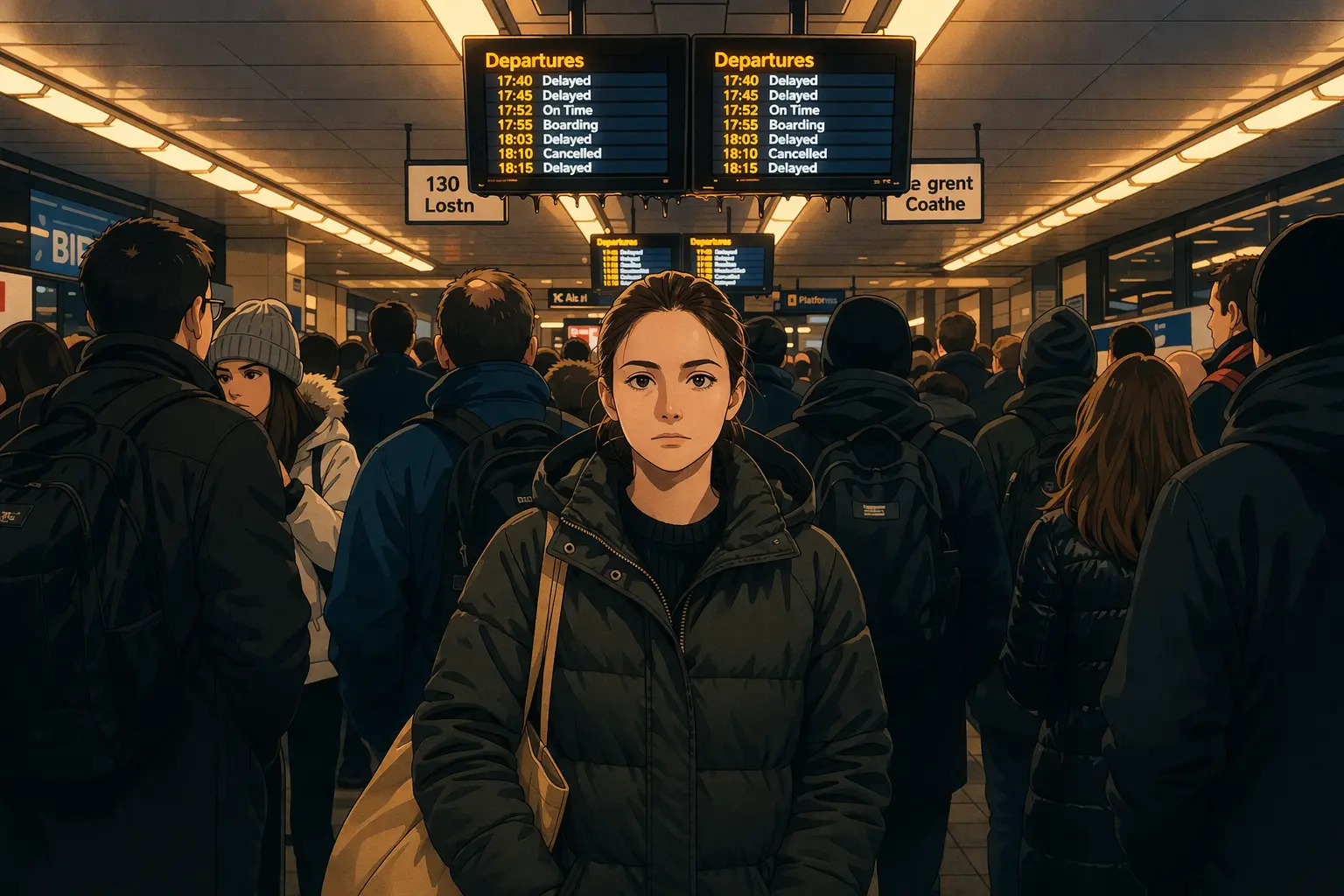
How Mei’s Bus Terminal Commute Slowly Became Unsustainable
Mei’s commute was supposed to be simple. Forty minutes door to door, through the same bus terminal, arriving at her desk by 9:00 a.m. However, right after a few days of commuting, she realized the hassle and rush of taking the bus to her place of work.
To stay on time, she had to leave home early. Depending on the rush at the terminal, she would need somewhere between 15 to 45 minutes to board the bus. Some mornings, that waiting meant skipping breakfast or drinking coffee while standing in a long waiting line inside the bus terminal.
Mei constantly had to put up with shifting terminal conditions, uneven boarding flow, and temporary bottlenecks that delayed her even before boarding began. Without knowing what awaited her inside, Mei could only arrive earlier and hope for the best. Over time, that strain became hard to ignore.
When Bus Terminal Conditions Began Undermining Mei’s Reliability
The breaking point for Mei came sooner than she expected, and on a day that was crucial for her professionally.
Mei was scheduled to lead a client presentation at 9:30 a.m., one she had spent weeks preparing. Aware of how volatile the bus terminal could be during peak hours, she left home at 7:45 a.m., nearly an hour earlier than usual. Under normal conditions, the commute should have taken just under an hour. That morning, it didn’t.
Inside the Port Authority Bus Terminal, a departure display froze during the rush. Passengers slowed, then stopped, clustering near escalators to reach information booths. Crowd density surged. A long waiting line formed at most bus gates as boarding slowed unevenly, driven by changing terminal conditions that could not be reflected by any timetable.
Mei watched her bus arrive, fill quickly, and pull away before she reached the front of the line. The next option wouldn’t arrive in time.
She reached the office at 9:50 a.m., twenty minutes late.
By then, the meeting was already underway. To avoid disrupting the client, she was asked not to join. A colleague had stepped in to lead, using her slides and notes while she waited outside the conference room, listening to muffled voices through the glass.
Later that afternoon, her senior director spoke with her privately. “Your preparation wasn’t the issue,” they said. “But when timing becomes uncertain, it puts the team in a difficult position. For client-facing work, reliability matters as much as delivery.”
The comment was measured, but the implication was clear.
Mei realized that repeated delays tied to the bus terminal weren’t just costing her time. They were quietly eroding trust in her reliability, putting her leadership opportunities at risk, and reshaping how others perceived her dependability, something hard work alone could no longer offset.
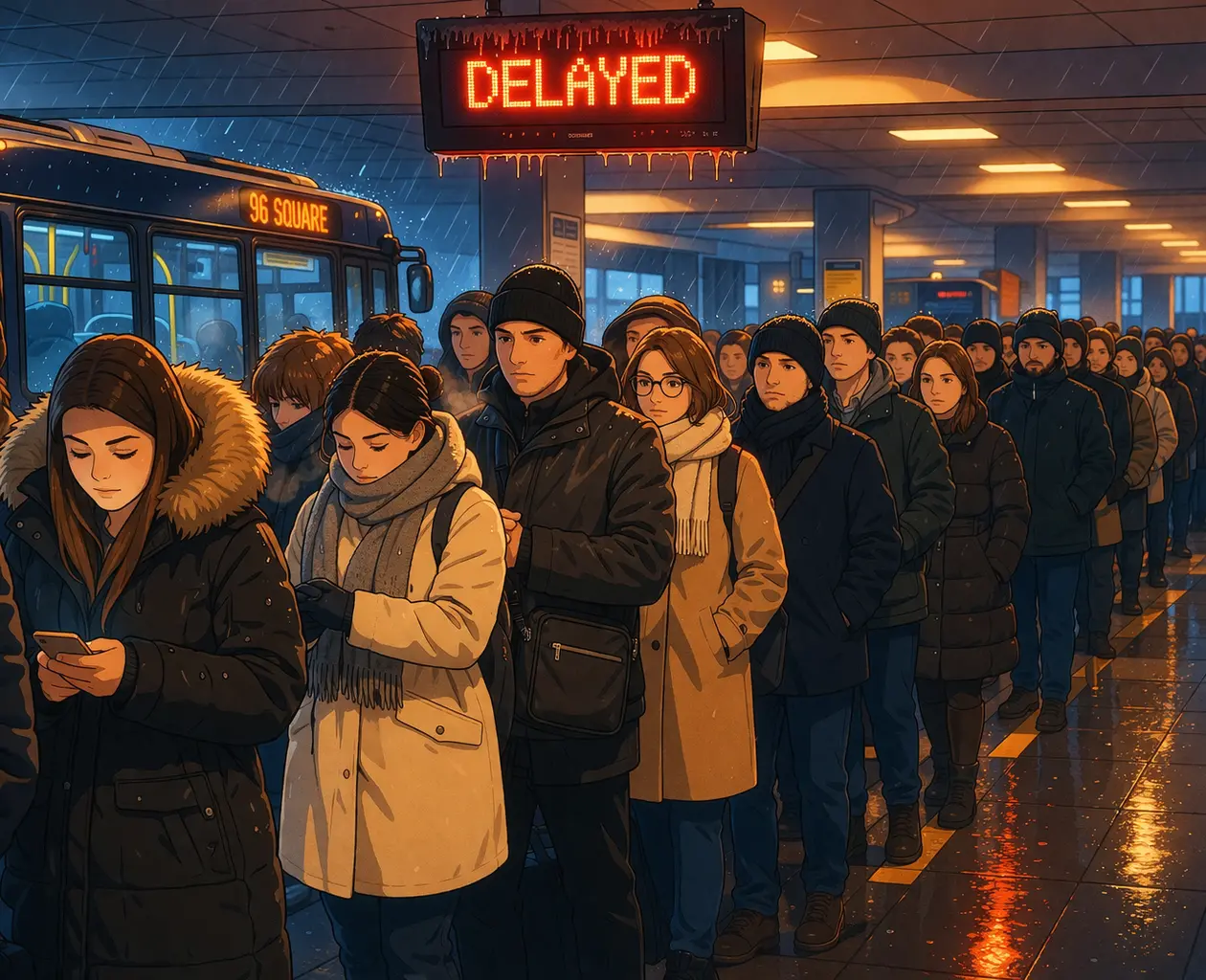
How Mei Finally Took Control of Her Commute Before Reaching the Bus Terminal
A few weeks later, Mei stopped accepting uncertainty as normal. One evening, sitting alone in the office cafeteria being upset, she shared her commute frustrations with a colleague. They talked about how bus terminal conditions changed without warning, crowds building early, long waiting lines forming faster than usual, and disruptions schedules never showed. The colleague mentioned checking the Transitarius app before leaving home.
One evening, sitting alone in the office cafeteria, she shared her commute frustrations with a colleague. They talked about how bus terminal conditions changed without warning, crowds building early, long waiting lines forming faster than usual, and disruptions schedules never showed. The colleague mentioned checking the Transitarius app before leaving home.
The next morning, Mei tried it. Before stepping out, she checked real-time commuter updates from her route. Her boarding area at the Port Authority was already crowded. Mei took a minute to consider what to do. She thought of her clients and meetings. She had some options; she could use the subway, take an e-bike, or she could call a friend for a ride. Although it’s a longer commute, she decided that today the subway would allow her to better cover her responsibilities at work.

The difference was immediate. She avoided the long waiting line, boarded calmly, and arrived at work with time to spare. More importantly, she felt prepared. She wasn’t reacting anymore; she could anticipate what lay ahead.
Over the next few weeks, the pattern held. Less waiting. Fewer surprises. The quiet tension she carried into work began to fade. One morning, halfway through a meeting, Mei realized she hadn’t checked the clock once.
For the first time in months, her commute supported her work instead of draining her, and she could finally travel safely and efficiently without starting the day on edge.
How Understanding the Bus Terminal Conditions Helped Mei Take Back Control
Mei’s story shows that control doesn’t start on the bus. It starts before even reaching the bus terminal. Crowds, long waiting lines, and shifting conditions at terminals quietly shape how every morning unfolds, often before the commute has even begun.
The Transitarius app helps commuters explore, plan, and stay connected by sharing crowd tracking inside terminals, boarding delay visibility caused by congestion, and facility or safety issues reported by commuters already there. That early awareness replaces guesswork with confidence and helps people feel prepared instead of rushed.
If your commute feels uncertain before you even board, knowing what lies ahead can make all the difference.
Commute smarter with the Transitarius app. Know before you go.FAQs
Why do commute delays often start before boarding?

Many delays begin inside busy transit hubs due to sudden crowd surges, unclear boarding flow, or equipment and facility issues, even when vehicles are technically on schedule.
What usually causes long lines at major transit stations?
Long lines often form when large groups arrive at once, boarding areas become congested, information screens lag, or ticketing systems slow movement through the station.
How does the Transitarius app help commuters prepare before they arrive?
The Transitarius app is a crowdsourced commuter app that shows real-time updates shared by people already at the station. It helps commuters see crowd buildup, boarding slowdowns, and safety or facility issues in advance, so they can adjust timing, choose better entry points, and avoid unnecessary waiting.
Powered by MarketEngine from StartupWind