A college commuter’s story of crowded stops, long waiting lines, and learning to plan ahead
Key Learnings
- Bus delays often begin at crowded stops, before a bus even arrives.
- A sudden long waiting line at her usual stop turned Sarah’s routine morning stressful.
- Relying on the nearest bus stop without visibility made daily planning unreliable.
- Stop-level crowding and boarding conditions quietly shaped how her day began.
- With the Transitarius app showing stop conditions early, Sarah regained control of her commute
Public transport is often the first choice for students, affordable, familiar, and lined with convenient stops near NYC-area campuses. For Sarah, a 20-year-old Communication student living in Fort Lee, New Jersey, it felt like the simplest way to get to class. Each morning began with a short walk to her nearest neighborhood bus stop in Fort Lee, where she boarded a bus toward the George Washington Bridge Bus Station before switching to the subway.
What she never knew was what she’d face when she arrived, sometimes an empty shelter, other times a long waiting line, or a bus so full it was left without her. Keep reading to find out how one student learned to stop letting bus delays decide her day.
For Sarah, a 20-year-old Communication student living in Fort Lee, New Jersey, it felt like the simplest way to get to class. Each morning began with a short walk to her nearest neighborhood bus stop in Fort Lee, where she boarded a bus toward the George Washington Bridge Bus Station before switching to the subway. What she never knew was what she’d face when she arrived.
When the Nearest Bus Stop Becomes Hard to Rely On For Frequent Bus Delays
Sarah’s mornings run on a tight schedule. Missing her usual bus toward the George Washington Bridge Bus Station means waiting another 20 minutes, which almost guarantees she’ll reach class late. Many NYC metro commuters face the same reality, one missed connection can disrupt the entire day.
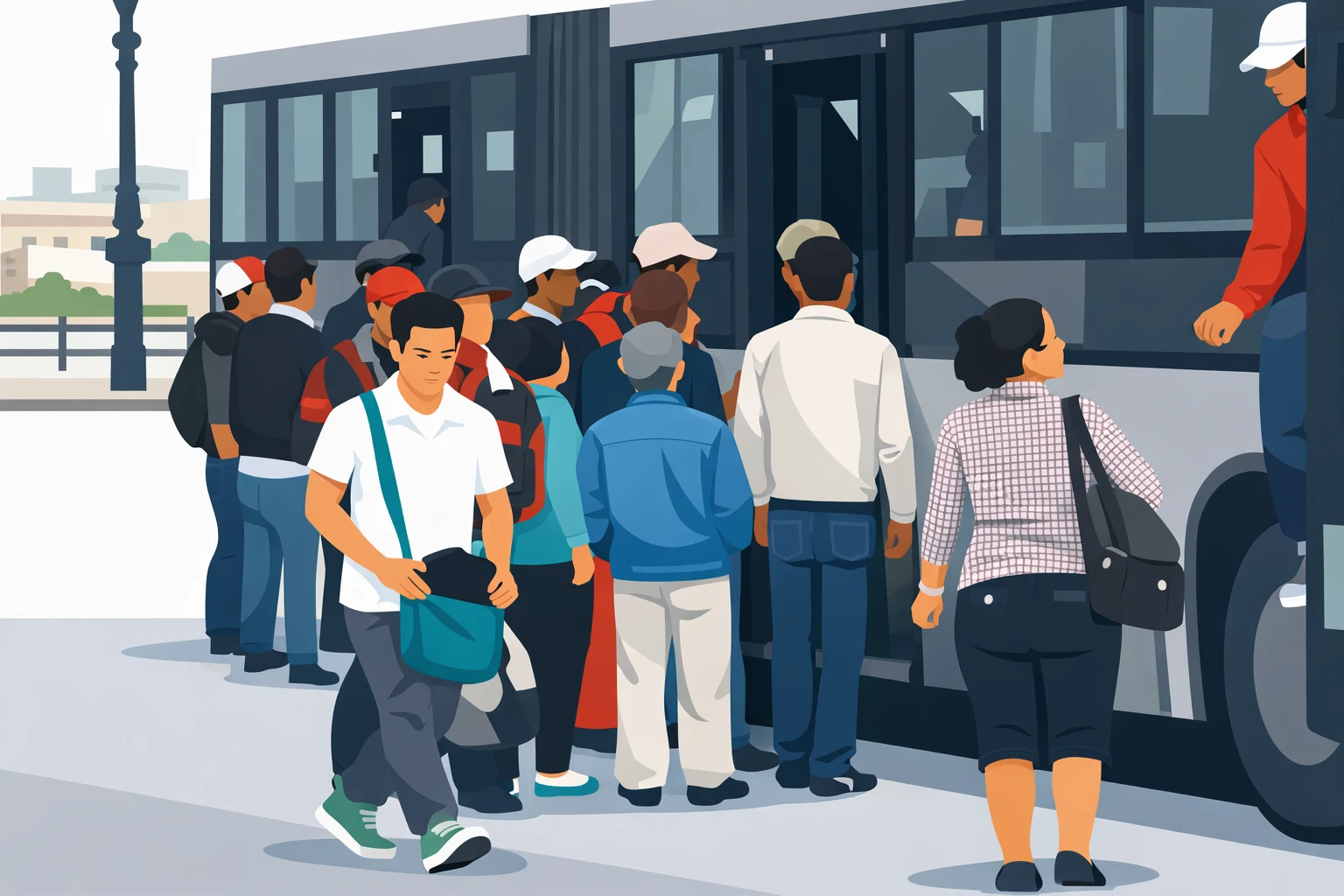
But what made her nearest bus stop stressful wasn’t just timing; it was not knowing what she would walk into. Some mornings were quiet and quick. For others, a delayed bus meant two rounds of commuters piling up, turning the sidewalk into a bottleneck. With no real-time way to see crowd buildup or boarding delays, every morning felt like guesswork.
But what made her nearest bus stop stressful wasn’t just timing, it was not knowing what she would walk into.With no real-time way to see crowd buildup or boarding delays, every morning felt like guesswork.
That daily unpredictability slowly turned into pressure Sarah couldn’t ignore.
How Morning Bus Delays Turned a Crowded Stop Into a Breaking Point
On one Monday morning, Sarah stepped out expecting her usual routine, but she didn’t know that her day had already begun to fall apart, even before she left home.
Earlier that morning, police briefly closed a lane near the George Washington Bridge after a minor accident, slowing buses before they could reach Fort Lee. Because of that delay, the bus that should have come earlier never arrived, which meant all the commuters who normally would have boarded 30 minutes earlier were still waiting.
When Sarah reached the stop, the sidewalk wasn’t just crowded, it felt like two mornings’ worth of people standing there at once, a quiet sign of how bus delays often start long before anyone realizes.
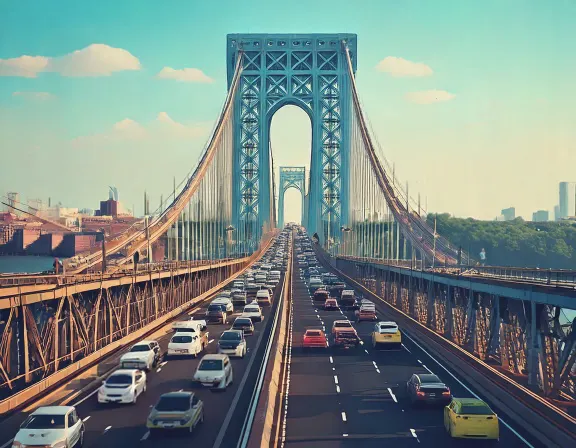
A long waiting line snaked beyond the shelter. More people kept arriving, tension rising in quiet conversations, “Is it coming?” “How long has it been?” Yet no announcement explained what was happening. Sarah glanced at the printed timetable. It showed when buses should come, but offered no answers about delays, capacity, or crowding.
When the next bus finally pulled in, her heart sank, it was already full before it even reached her stop. Only a few commuters squeezed inside before the doors shut, and she stood just a few steps away, helpless.
A long waiting line snaked beyond the shelter. More people kept arriving, tension rising in quiet conversations, “Is it coming?” “How long has it been?” Yet no announcement explained what was happening. When the next bus finally pulled in, her heart sank, it was already full before it even reached her stop. The bus pulled off, and she felt that familiar weight in her chest.
The bus pulled off, and she felt that familiar weight in her chest.
Missing this bus meant walking into class late again, apologizing as she tried to slip unnoticed into a room where everyone was already settled. Standing at her usual Fort Lee stop, she faced a choice: wait another 20 minutes, or walk further to a different boarding location.
When the next bus finally pulled in, her heart sank, it was already full before it even reached her stop.
What stung most wasn’t the delay, it was realizing she had no way of knowing any of this beforehand.
In that moment, she knew she couldn’t keep beginning her day blind.
How Planning her Commute with the Transitarius app Helped Sarah Avoid Bus Delays
That afternoon after class, Sarah was talking with a classmate about being late again because of the crowded bus stop. Her classmate mentioned that she usually checks the Transitarius app before leaving home to see how busy the nearby stops are.
The idea stayed with Sarah.
That evening, she downloaded the app. The next morning, instead of rushing out as usual, she checked the Transitarius app first. She could see updates showing heavy crowding at her usual stop near the George Washington Bridge. A long waiting line was already forming. Rather than hoping for the best, Sarah adjusted her plan. She left a few minutes later and walked to another nearby stop that showed fewer people waiting.
Rather than hoping for the best, Sarah adjusted her plan. She left a few minutes earlier and walked to another nearby stop that showed fewer people waiting. When the bus arrived, she boarded easily.
Over the next few weeks, the change became clear. Sarah spent less time standing in crowded lines and missed fewer buses. Most mornings, she reached class on time and felt calmer instead of rushed. Seeing conditions at the nearest bus stop before leaving home gave her confidence she hadn’t felt before.
What helped most wasn’t just timing. It was knowing what was happening at the stop itself. Real commuter updates showed her where crowds were building and where boarding would be smoother.
Once Sarah stopped guessing and started planning with real information, bus delays no longer shaped her mornings, and her commute finally felt manageable.
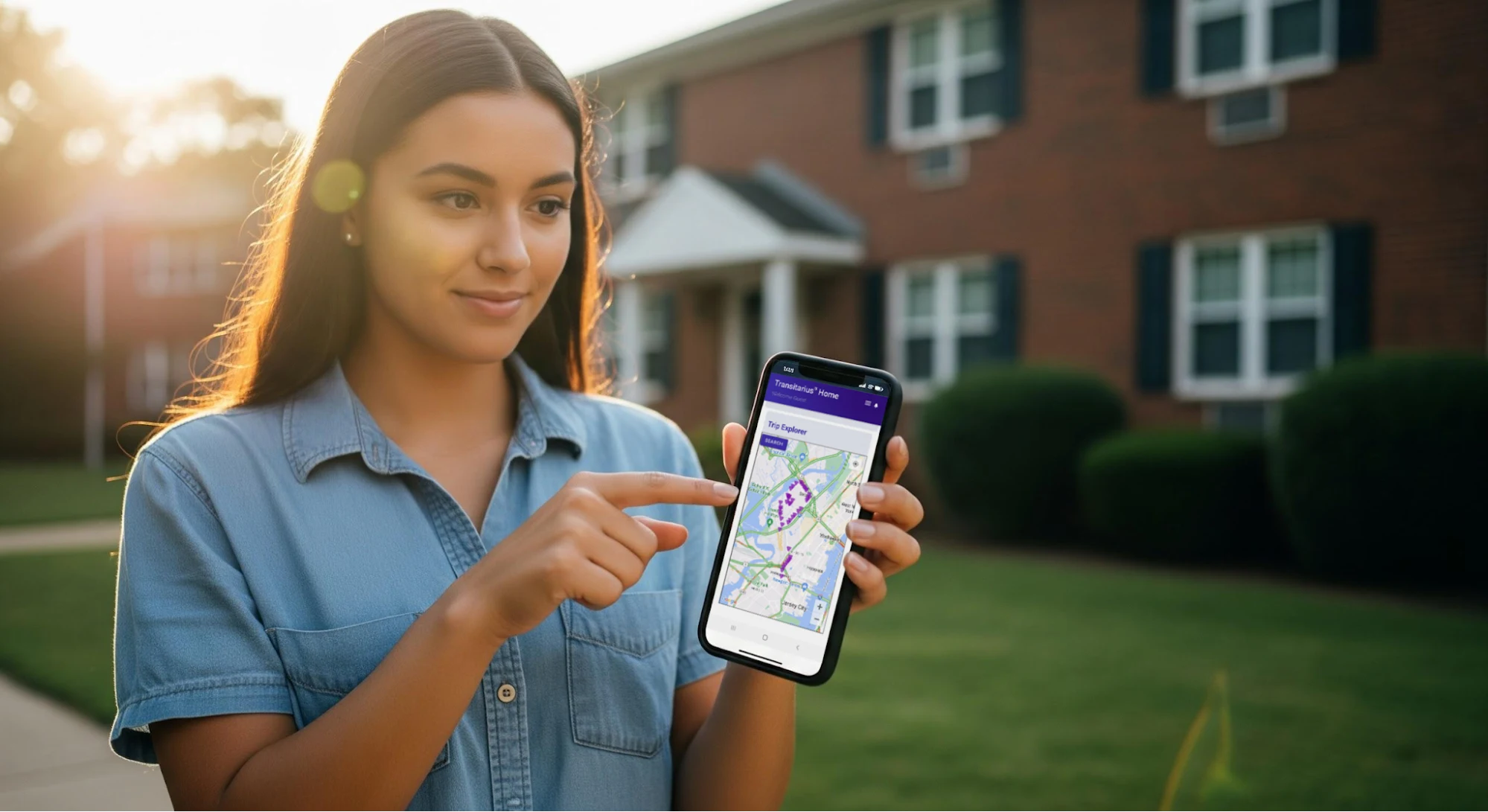
Stepping Into the Future, Confidently with the Transitarius Transit App
Sarah no longer starts her mornings guessing what she’ll face at the bus stop. By checking commute conditions before leaving home, she avoids crowded stops, long waiting lines, and the stress of falling behind. Even on imperfect days, her commute feels more manageable.
Her story reflects a wider reality for daily commuters. Delays don’t just happen on the road; they often build at the stop itself. The Transitarius app brings visibility to those moments through real-time, commuter-shared updates on crowding, boarding delays, and stop conditions.
Turn to the Transitarius app’s wealth of features and insights, and you’ll discover how to sidestep bus stop crowds and long lines to redefine your daily travel plan. Are you ready to take command of your commute?
Download The Transitarius App today and reverse the tide of your mornings from overwhelming to promising!
FAQs
Why do bus delays happen even when schedules look normal?

Bus delays often happen due to sudden crowd surges, boarding bottlenecks, or terminal-level disruptions that aren’t reflected in vehicle schedules. The Transitarius app gives riders real-time visibility to avoid delays and crowded trips.
How can I avoid standing in a long waiting line at busy bus stops?
Avoiding a long waiting line starts with knowing the crowd and boarding conditions before you arrive at the stop. The Transitarius app helps riders adjust departure times or choose less crowded options instead of waiting blindly.
How does the Transitarius app help me choose the nearest bus stop with fewer crowds?
The Transitarius app shows crowdsourced conditions at bus stops. You can check other nearby stops if you see long waiting lines and decide which nearest bus stop looks most efficient.
Is the Transitarius app useful for students and daily office commuters?
Absolutely. The Transitarius app is designed for students and working professionals who rely on public transit daily and need predictable, safer, and less stressful commutes.
Powered by MarketEngine from StartupWind