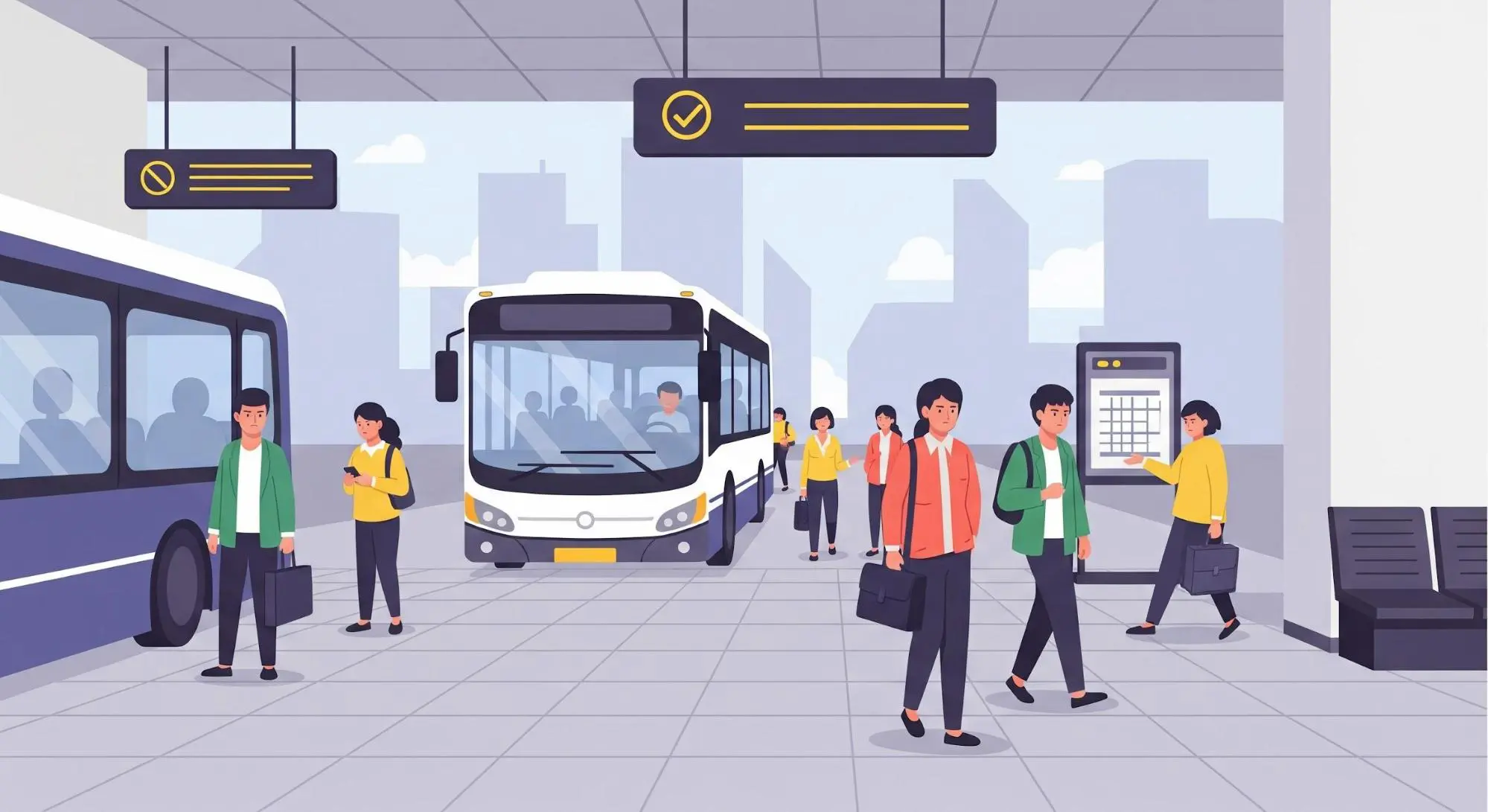
Understand the specific crowd patterns and terminal conditions that slow boarding so you can prevent unnecessary bus delays on your daily commute.
The Transitarius apps helps me see how crowded the bus terminal is before I leave. It's saved me from standing in long lines more than once.
Most bus delays do not actually start on the road. They start inside the bus terminal. You can leave home on time, see your bus listed as on schedule, and still lose 10 to 20 minutes before the doors even close. The delay builds during boarding, where crowding and slow movement at the platform quietly hold everything up.
Long lines, packed boarding zones, and uneven passenger flow create delays that timetables never show. Transit apps tell you when the bus is supposed to arrive, but they do not show what conditions look like at the terminal. When space is tight, and crowds keep building, boarding slows, departures slip, and small delays turn into missed connections.
Today, commuters are turning to real-time, crowdsourced transit apps that share live updates from people already at the terminal. Instead of walking into congestion blindly, riders can see crowd levels, safety concerns, and facility issues ahead of time and make smarter decisions about when and where to board.
Here is a look at the everyday crowd situations that quietly cause bus delays inside busy bus terminals.
5 Everyday Crowd Situations Causing Bus Delays
- Overcrowded Boarding Areas at Major Transfer Points
- Strollers, Wheelchairs, and Mobility Aids in Crowded Boarding Areas
- Event Spillover Crowds Near Bus Stops
- Parking Lot Congestion Feeding Terminal Crowds
- The Late-Boarding Domino Effect
Let’s dive in!
No 1: Boarding Pile-Ups at Major Transfer Stops
What is it?
Major transfer points often funnel passengers from several arriving routes into the same boarding zone at the same time. When multiple buses load simultaneously, waiting passengers cluster near the limited door space, creating tight queues and slow movement. Even a small surge in riders can overwhelm narrow platforms and holding areas.
Why does it matter?
Crowded boarding areas increase dwell time at each stop. Passengers take longer to line up, step forward, tap fares, store bags, and find standing room. When one departure runs late, the delay affects buses behind it, causing knock-on bus delays across connected routes.
Pro Tip: To mitigate this issue, use transit apps like Transitarius to check real-time bus arrival statuses and crowd levels before heading to the terminal. Arrive a few minutes earlier to pick a less crowded bus or consider alternative transfer points if delays are reported.
No. 2: Strollers, Wheelchairs, and Mobility Aids in Crowded Boarding Areas
What is it?
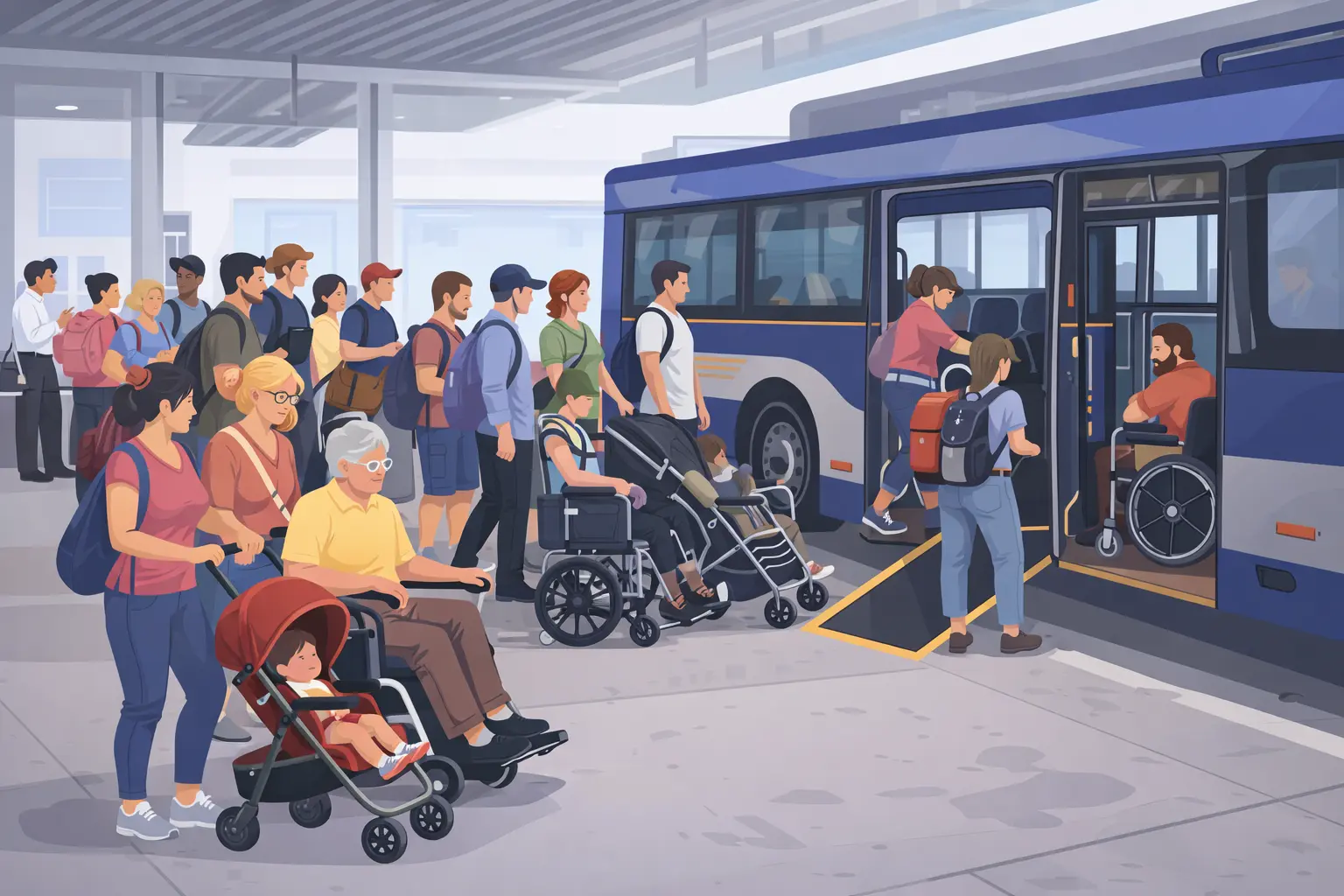
During peak hours, buses often serve a mix of commuters with strollers, wheelchairs, walkers, and other mobility aids.
Why does it matter?
When these needs converge in already crowded boarding zones, movement slows as space is cleared, ramps are deployed, and seating is reorganized.
Pro Tip: During peak crowding, stand slightly back from the primary boarding door and avoid compressing the front of the queue. Leaving small gaps allows smoother maneuvering for mobility aids and prevents stop-start boarding delays.
No. 3: Event Spillover Crowds Near Bus Stops
What is it?
Events such as concerts, sports games, or festivals often lead to a significant surge in crowding near bus stops, creating congestion that can overwhelm both passengers and the transit system. This sudden influx of commuters can result in extended wait times for everyone as buses struggle to navigate through the sea of people trying to board.
Why does it matter?
As crowds converge on bus terminals, the increased load can lead to unforeseen bus delays due to the overwhelming number of passengers trying to board simultaneously. This not only impacts the immediate journey but can ripple through the transit schedule.
Real World Example: After a Friday night game at the Prudential Center in Newark, Daniel walked with hundreds of fans to a nearby bus stop. A short line had turned into a crowd stretching down the block. The first bus filled immediately, the next arrived already packed, and boarding slowed as passengers squeezed into the limited space. Daniel boarded nearly 20 minutes late, even though there were no road delays. The delay was entirely from the sudden crowd surge at the stop.
Pro Tip: Events should be monitored and communicated through transit apps for commuters to plan their routes accordingly. Knowing when and where an influx of passengers is expected can help mitigate unexpected delays.
No. 4: Parking Lot Congestion Feeding Terminal Crowds
What is it?
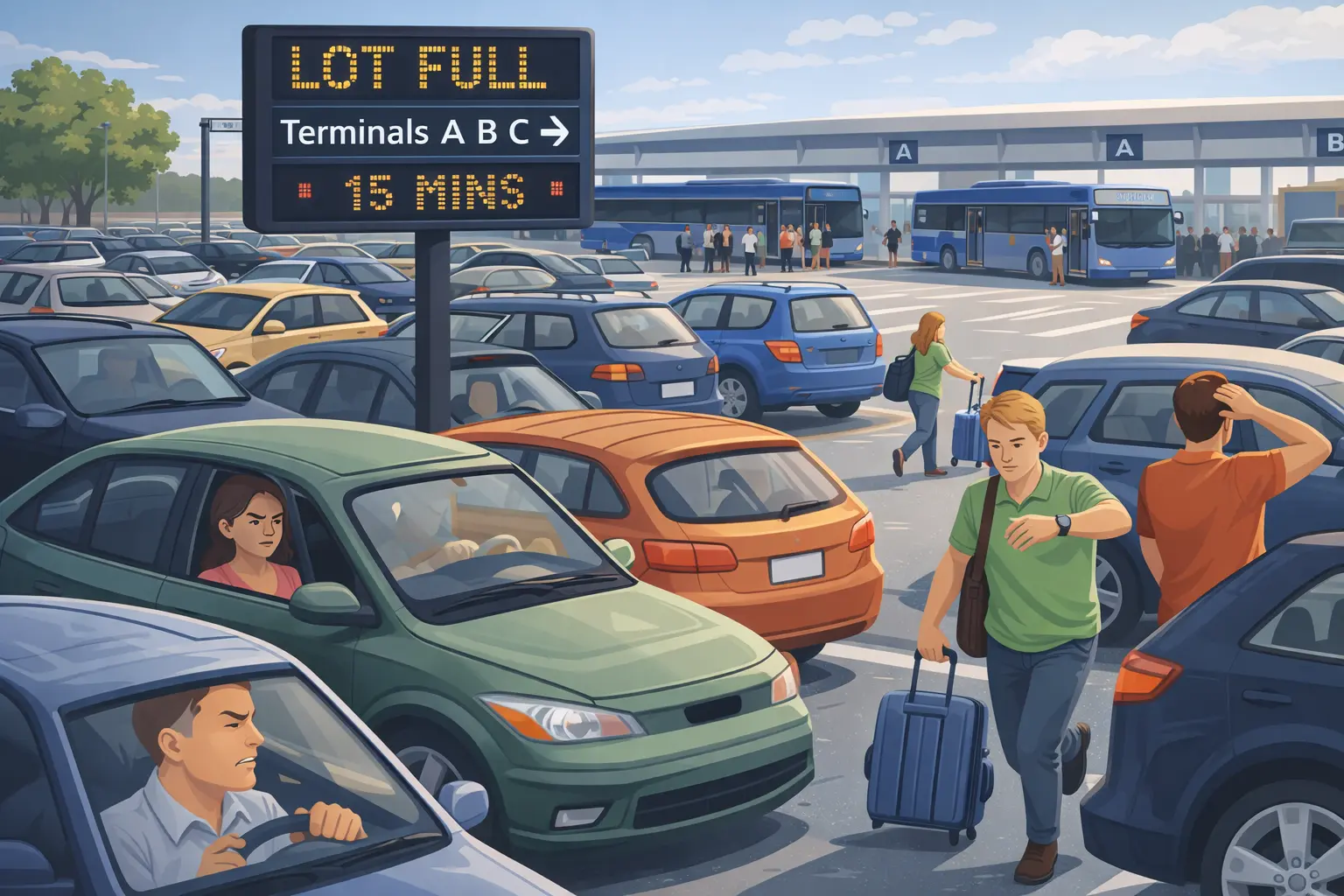
When parking lots at bus terminals fill up, arriving drivers circle for open spaces or queue at entrances. This creates vehicle congestion around terminal access roads and drop-off zones. As more commuters arrive late to the platform, boarding becomes rushed and uneven, slowing departures.
Why does it matter?
The time lost searching for parking feeds directly into the bus delays experienced at terminals. Delays start before passengers even reach the bus. Late arrivals extend boarding time, while traffic congestion near terminal entrances can slow bus movements in and out of bays. Together, these factors create small departure delays that quickly compound across routes.
Pro Tip: Before leaving, check transit apps like Transitarius for real-time parking availability and trends at your terminal. Being proactive by carpooling with fellow commuters or arriving earlier to secure a spot can greatly reduce the stress and time lost searching for parking.
No. 5: Delayed Departures That Ripple Across the Terminal
What is it?
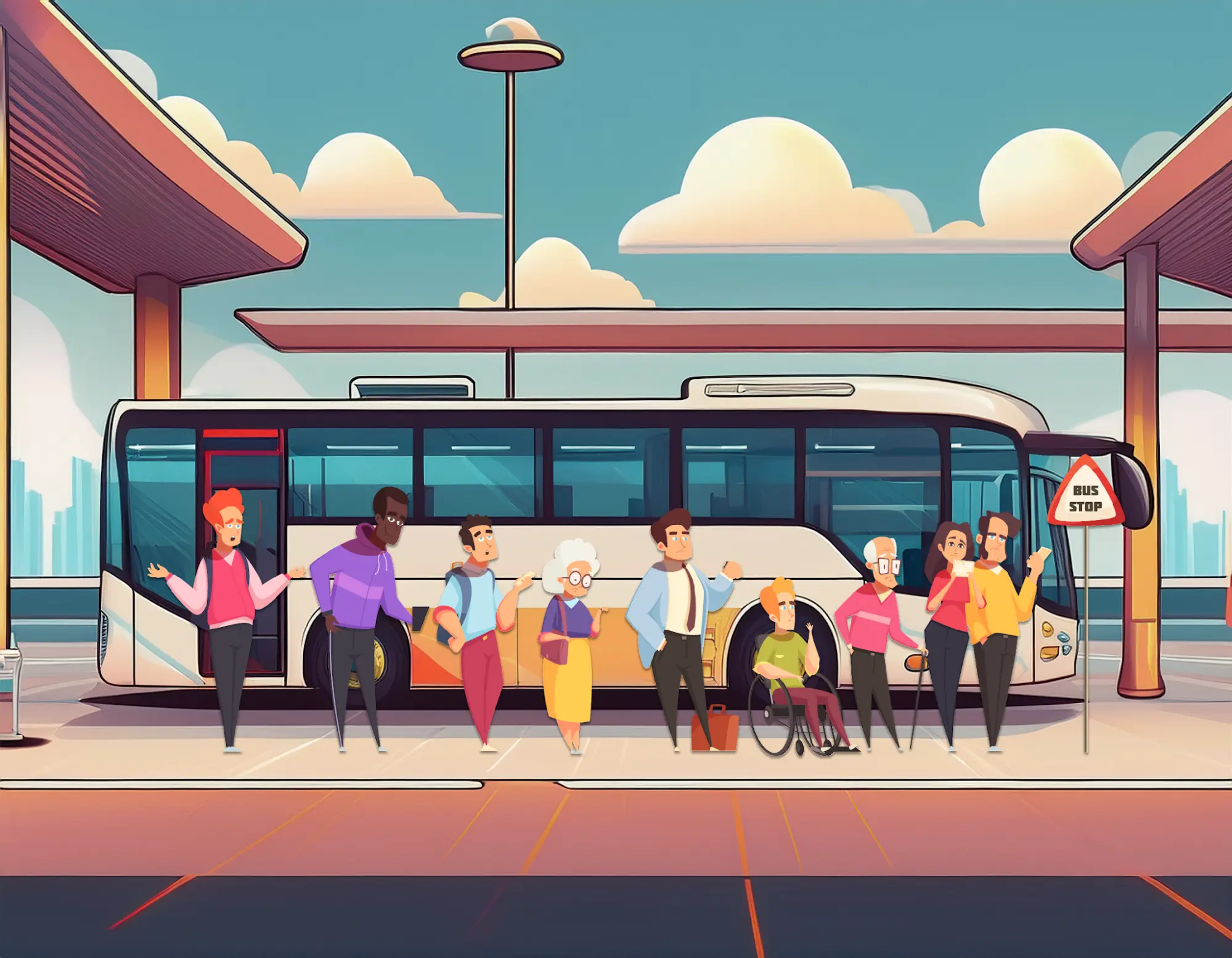
A delayed departure at one terminal bay can disrupt the flow of buses across the entire station. When boarding takes longer than expected, the bus occupies its platform past its scheduled time, preventing the next bus from pulling in. This creates a queue of buses waiting for space and slows movement throughout the terminal.
Why does it matter?
Terminals operate on tight platform rotations. When one departure runs late, other buses must wait, reposition, or load passengers in less efficient ways. These small disruptions quickly spread, turning a single delayed boarding into wider bus delays affecting multiple routes.
Pro Tip: Before heading to your platform, check a real-time commuter app for terminal crowd levels and departure conditions. If delays are building at your bay, consider adjusting your timing, boarding point, or route to avoid being caught in the ripple effect.
How Understanding Terminal Crowds Leads to Smoother Commutes
Understanding these five everyday crowd situations is key to reducing bus delays and improving the commuter experience. Many delays begin inside the bus terminal, where crowd density, boarding flow, and equipment issues slow departures before buses even reach the road.
By paying closer attention to real-time terminal conditions, transit agencies and commuters alike can respond earlier and more effectively. Better visibility into crowd patterns and on-site issues helps prevent small slowdowns from turning into system-wide delays. Focusing on what happens inside the terminal turns unpredictable, frustrating trips into smoother and more reliable commutes.
Download the Transitarius app now and stay ahead of bus delays!
FAQs
Why do bus delays happen even when buses are on schedule?

Bus delays often start inside the bus terminal, where crowding, long waiting lines, and changing terminal conditions slow boarding before the bus departs.
Can terminal crowding really add 10-20 minutes to bus delays?
Yes. Boarding pile-ups, accessibility boarding, event spillover, and parking congestion compound quickly, turning small slowdowns into 10-20 minutes of delay.
What's the risk of ignoring terminal conditions during my commute?
Unseen crowd buildup leads to missed buses, unreliable arrival times, and rising daily stress, making bus delays feel unpredictable and unavoidable.
Act Early to Reduce Bus Delays at the Bus Terminal
Bus delays don’t start on the road; they build inside the bus terminal. Spotting crowd patterns and terminal conditions early helps commuters avoid hidden waits and keep their commute predictable.
- Early awareness of terminal crowd buildup
- Fewer boarding delays during peak hours
- More predictable, stress-free commutes
Powered by MarketEngine from StartupWind